Call Us:-+8613175696608

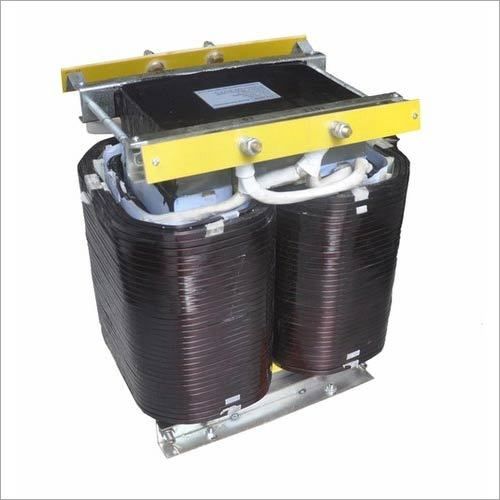
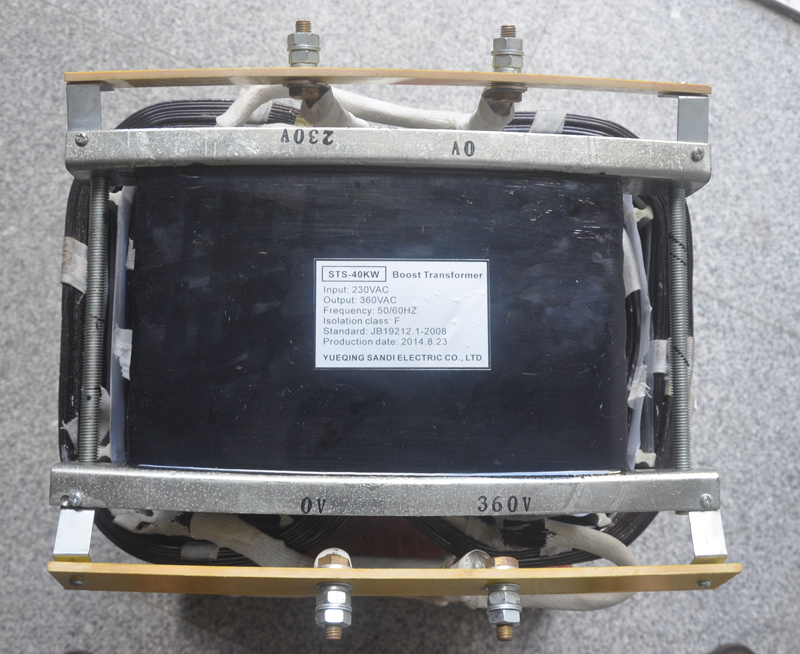
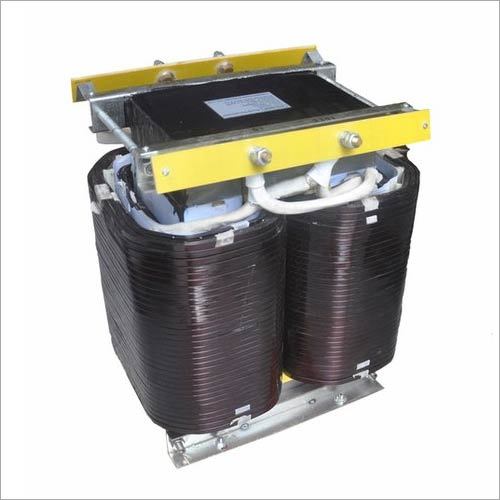
Step-up Transformer with single phase and three phase
4900.00 - 5500.00 USD ($)
Product Details:
- Rated Voltage Primary: 220V, 400V, 415V / Secondary: Up to 11kV or as specified
- Operating Temperature -25C to +50C
- High Voltage Up to 11kV (customizable as per design)
- Low Voltage 220V, 400V, 415V or as specified
- Load Loss As per IEC/IS standards, generally below 1% of rating
- Voltage Booster Type Electromagnetic inductive step-up
- Standard IS 2026, IEC 60076, BIS certified
- Click to view more
X
Step-up Transformer with single phase and three phase Price And Quantity
- 1 Unit
- 4900.00 - 5500.00 USD ($)
- Epoxy powder coated or oil immersed protection
- Star/Delta (as required for the application)
- IP23/IP44 available
- Floor/Pad mounted
- CRGO Lamination/EI or Toroidal core
- On-load/off-load tap changer available on request
- Up to 35 kV/min (as per standard)
- < 65 dB at 1 meter
- Layer wound/Disc wound
- Routine, Type, and Special tests as per IS/IEC Standards
- 95% RH, non-condensing
- Class A, B, or F depending on application
Step-up Transformer with single phase and three phase Product Specifications
- 220V, 400V, 415V or as specified
- 2 or 3 coils, based on phase
- 50/60 Hz
- -25C to +50C
- Primary: 220V, 400V, 415V / Secondary: Up to 11kV or as specified
- Up to 11kV (customizable as per design)
- Voltage boosting and voltage regulation applications in electrical distribution and industrial power systems
- High-grade silicon steel core with copper and/or aluminum windings
- Step-up Transformer
- Toroidal or laminated core
- From 10 kVA up to 5000 kVA (custom options available)
- As per IEC/IS standards, generally below 1% of rating
- Stepped-up AC voltage (customizable per requirement)
- Single Phase / Three Phase
- IS 2026, IEC 60076, BIS certified
- Electromagnetic inductive step-up
- Up to 98%
- 10 kVA - 5000 kVA
- ONAN (Oil Natural Air Natural) / AN (Air Natural)
- Varies by rating (starting from 50 kg for lower capacities)
- Electrolytic copper or aluminum, as per requirement
- Custom sizes based on rating, typical: 800mm x 600mm x 1200mm
- Epoxy powder coated or oil immersed protection
- Star/Delta (as required for the application)
- IP23/IP44 available
- Floor/Pad mounted
- CRGO Lamination/EI or Toroidal core
- On-load/off-load tap changer available on request
- Up to 35 kV/min (as per standard)
- < 65 dB at 1 meter
- Layer wound/Disc wound
- Routine, Type, and Special tests as per IS/IEC Standards
- 95% RH, non-condensing
- Class A, B, or F depending on application
Step-up Transformer with single phase and three phase Trade Information
- 6000 Unit Per Month
- 7 Days
Product Description
Step-up Transformers with single phase and three phase are particularly employed for usages in which incoming power voltage demands to be increased. These are essential for a wide array of applications such as 3-Phase motors, 3-Phase pumps, heavy duty equipment, railways, industrial equipments etc. These are commonly employed in combination with phase converters, which use the ratio between the primary as well as secondary windings so as to increase the input voltage. Organized differently, Step-up Transformers with single phase and three phase are provided with have primary as well as secondary cores.
Key Features & Quality Assurance
Each transformer incorporates advanced winding techniques (layer wound or disc wound) and uses high-grade silicon steel cores (CRGO/EI or Toroidal). Dielectric strength up to 35 kV/min and insulation classes A, B, or F allow flexibility for various applications. Every unit undergoes routine, type, and special tests as per IS/IEC standards and is BIS certified, ensuring safety and compliance.
Flexible Design and Customization
Available as single-phase or three-phase models, with star or delta connection, our transformers can be tailored with a range of capacities, mounting options, and enclosure protections (IP23/IP44). On-load and off-load tap changers are available on request. Painting options include epoxy powder-coated or oil-immersed protection, tailored for durability and longevity, according to application needs.
Applications Across Industries
Ideal for electrical distribution systems and industrial power networks, these step-up transformers provide reliable voltage boosting and regulation. They are suited for environments with humidity up to 95% (non-condensing) and an operating temperature range of -25C to +50C, supporting rigorous demands, custom output voltages (up to 11kV), and floor or pad mounting based on project specifications.
FAQs of Step-up Transformer with single phase and three phase:
Q: How do I select the appropriate insulation class for my step-up transformer application?
A: The choice of insulation class (A, B, or F) depends on the transformers operating temperature and environmental conditions. Class A is suitable for lower temperature rise, while Classes B and F offer higher thermal endurance, especially in demanding or high-load scenarios. Our specialists can recommend the best class based on your specific application requirements.Q: What are the advantages of using a layer wound versus a disc wound transformer winding?
A: Layer wound windings are generally used for lower voltage ratings and offer mechanical simplicity. Disc wound windings are ideal for higher voltages, providing better mechanical strength and improved short-circuit withstand. The technique selected depends on your voltage and application needs, which we customize for each project.Q: When should I opt for an on-load versus an off-load tap changer?
A: On-load tap changers are recommended for applications where voltage adjustment is needed without interrupting operation, such as dynamic industrial settings. Off-load tap changers are suitable for fixed or less dynamic environments, allowing adjustment only when the transformer is de-energized. Both options are available upon request.Q: What processes ensure the step-up transformers compliance with Indian and international standards?
A: Every transformer undergoes rigorous routine, type, and special tests per IS 2026, IEC 60076, and BIS standards. This includes dielectric, insulation, and performance checks, guaranteeing safety, efficiency, and alignment with globally recognized electrical codes.Q: Where are these step-up transformers commonly installed?
A: Our transformers are typically deployed in power distribution stations, industrial manufacturing units, infrastructure projects, and commercial complexes. Mounting options include floor or pad-based installations, tailored to site conditions and spatial constraints.Q: How does the transformer offer protection against moisture and external contaminants?
A: With enclosure protection options rated IP23 or IP44, our transformers shield sensitive components from moisture, dust, and incidental contact. This, combined with anti-corrosive painting (epoxy powder coated or oil-immersed), ensures long service life in harsh environmental conditions.Tell us about your requirement

Price:
Quantity
Select Unit
- 50
- 100
- 200
- 250
- 500
- 1000+
Additional detail
Mobile number
Email

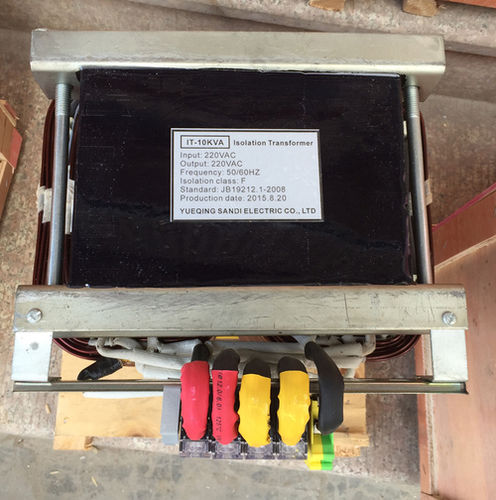
Other Products in 'Isolation Transformer' category



ZHEJIANG SANDI ELECTRIC CO.,LTD
Contact Details

- Building 13-2 Botong Huigu, No. 66 Binhai South Four Road, Yueqing Economic Development Zone, Yueqing - 325604, Zhejiang, China
- Phone : 86-577-62776918

- Ms Carrie Lu (Foreign Trade Manager)
- Mobile : +8613175696608
- Send Inquiry
 Send Inquiry
|


ZHEJIANG SANDI ELECTRIC CO.,LTD
All Rights Reserved.(Terms of Use)
Developed and Managed by Infocom Network Private Limited.
Developed and Managed by Infocom Network Private Limited.

