Call Us:-+8613175696608

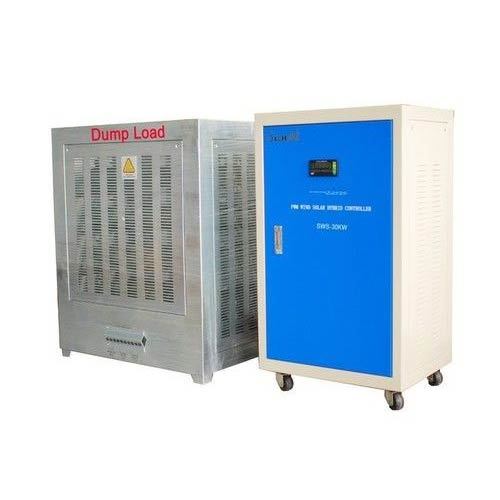
Wind Controller
4900.00 - 5500.00 USD ($)
Product Details:
- Maintenance Type Low Maintenance
- Input Voltage 12V/24V/48V
- Features Overcharge Protection, LCD Display, Automatic Dump Load, Battery Protection, Wind Speed Sensing
- Efficiency 95%
- Product Type Wind Controller
- Material ABS Plastic, Electronic Components
- Number of Cells Applicable for various battery banks
- Click to view more
X
Wind Controller Price And Quantity
- 1 Unit
- 4900.00 - 5500.00 USD ($)
- RS485 / USB
- 10 ms
- Lead-Acid, Gel, AGM
- PWM (Pulse Width Modulation)
- Supported via USB
- 95% RH (Non-Condensing)
- Buzzer & Visual Alert
- Natural Air Cooled
- Digital LCD
- -20C to 70C
- Overvoltage / Overcurrent / Short Circuit / Reverse Polarity
- 1%
- Wind Controller Unit, Cable, Mounting Accessories, User Manual
- Panel Mounted
- Auto-Cutoff on Fault or Overcharge
- 60A
- 2.5 m/s
- CE, ISO 9001
Wind Controller Product Specifications
- Automatic / Manual
- 1.2 kg
- 95%
- 2200W (Max Load)
- 60V DC
- Overcharge Protection, LCD Display, Automatic Dump Load, Battery Protection, Wind Speed Sensing
- Wind Turbine System / Wind Energy Applications
- ABS Plastic, Electronic Components
- Applicable for various battery banks
- -10C to 60C
- Standard
- Low Maintenance
- 48V
- 180mm x 110mm x 60mm
- Microprocessor Based
- 12V/24V/48V
- Wind Controller
- Wall Mounted
- Blue
- 12V / 24V / 48V (Selectable)
- 1.5 meter
- RS485 / USB
- 10 ms
- Lead-Acid, Gel, AGM
- PWM (Pulse Width Modulation)
- Supported via USB
- 95% RH (Non-Condensing)
- Buzzer & Visual Alert
- Natural Air Cooled
- Digital LCD
- -20C to 70C
- Overvoltage / Overcurrent / Short Circuit / Reverse Polarity
- 1%
- Wind Controller Unit, Cable, Mounting Accessories, User Manual
- Panel Mounted
- Auto-Cutoff on Fault or Overcharge
- 60A
- 2.5 m/s
- CE, ISO 9001
Wind Controller Trade Information
- Ningbo/Shanghai
- Letter of Credit at Sight (Sight L/C), Western Union, Paypal, Telegraphic Transfer (T/T)
- 6000 Unit Units Per Month
- 4-5 Days
- Yes
- Contact us for information regarding our sample policy
- Packing of wind controller is standard export honeycomb cartoon with pallet or wooden box or OEM
- CE(EMC&LVD),SAA(AS4777&AS3100),G83,G59, VDE ARN 4105, UL1741, CSA22.2, ISO9001
Product Description
Wind Controller can freely be characterized as an electronic breeze instrument. Wind controllers are, for no consistent reason, most usually played and fingered like a saxophone-however an ever increasing number of models are presently being created that play and finger-like other acoustic instruments, for example, the trumpet, recorder, tin shriek, harmonica, oboe, woodwind, bagpipes, and others. A Wind Controller may change over fingering, breath weight, nibble weight, finger weight, and different sensors into control signals which are then used to control inside or outer gadgets, for example, MIDI synthesizers, simple synthesizers, PC delicate synths, MIDI sequencers, MIDI lighting frameworks, MIDI controlled video frameworks, and so forth
Comprehensive System Protection
Benefit from built-in safeguards such as overvoltage, overcurrent, short circuit, and reverse polarity protection, ensuring both your wind controller and batteries remain secure during operation. Auto-shutdown and visual-audio alarms enhance safety by providing timely alerts in case of faults or during overcharging. The controllers CE and ISO 9001 certifications assure high quality and performance standards.
High-Efficiency Wind Energy Management
With a regulation accuracy of 1%, a rapid response time of 10 ms, and an efficiency rate of at least 95%, this controller maximizes power extraction and battery longevity for your wind turbine system. Its microprocessor-based architecture allows precise power control, while the PWM type delivers reliable energy regulation and minimal maintenance requirements.
User-Friendly Operation and Integration
Easily monitor and manage system status via the digital LCD display and connect with external devices through RS485 or USB interfaces. The controller supports both manual and automatic operation modes, and a startup wind speed of just 2.5 m/s, making it versatile for diverse wind conditions. Installation is straightforward, whether wall or panel-mounted, backed by included cables, mounting hardware, and a detailed user manual.
FAQs of Wind Controller:
Q: How does the wind controller ensure the protection of batteries and system components?
A: The wind controller features multiple protection types, including overvoltage, overcurrent, short circuit, and reverse polarity safeguards. In addition, it provides auto-cutoff during faults or overcharge conditions, and alerts users with audible (buzzer) and visual indicators to prevent damage and enhance overall safety.Q: What are the benefits of using a digital LCD and communication interfaces?
A: The digital LCD offers a clear, real-time display of system parameters, making monitoring and adjustments easy. The RS485 and USB communication interfaces enable efficient data logging and integration with external monitoring or automation systems, simplifying maintenance and performance tracking.Q: When should I use manual versus automatic switch mode in this controller?
A: Automatic mode is ideal for most wind turbine setups, where the controller manages charging, protection, and shutdown autonomously. Manual mode grants users direct control over system operations, beneficial for maintenance checks or specific custom requirements.Q: What battery types are compatible with this wind controller, and how is the correct voltage selected?
A: This controller is compatible with lead-acid, gel, and AGM batteries, and supports 12V, 24V, and 48V outputs. The user can select the appropriate voltage based on their battery bank configuration and system requirements, ensuring flexibility for various installations.Q: Where is the optimal location to mount the wind controller?
A: The wind controller is designed for wall or panel mounting in dry, ventilated areas. Ensure humidity does not exceed 95% RH (non-condensing) and the ambient temperature is within -10C to 60C for optimal performance and longevity.Q: How does the data logging feature work, and what are its process benefits?
A: Data logging is supported via the USB interface, allowing users to record operational parameters and fault histories. This facilitates performance analysis, troubleshooting, and system optimization, making it easier to maintain high efficiency and reliability in wind energy applications.Tell us about your requirement

Price:
Quantity
Select Unit
- 50
- 100
- 200
- 250
- 500
- 1000+
Additional detail
Mobile number
Email

Other Products in 'Wind Solar Hybrid Controller' category
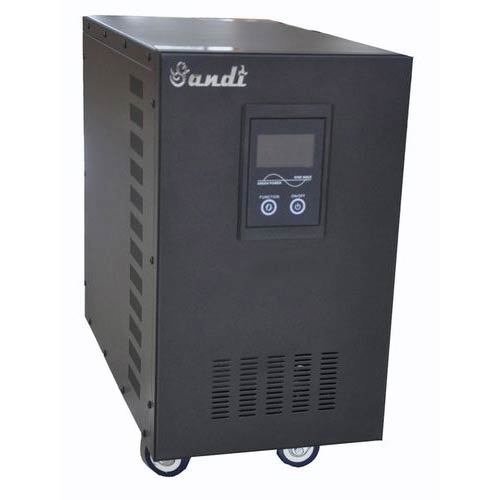


ZHEJIANG SANDI ELECTRIC CO.,LTD
Contact Details

- Building 13-2 Botong Huigu, No. 66 Binhai South Four Road, Yueqing Economic Development Zone, Yueqing - 325604, Zhejiang, China
- Phone : 86-577-62776918

- Ms Carrie Lu (Foreign Trade Manager)
- Mobile : +8613175696608
- Send Inquiry
 Send Inquiry
|


ZHEJIANG SANDI ELECTRIC CO.,LTD
All Rights Reserved.(Terms of Use)
Developed and Managed by Infocom Network Private Limited.
Developed and Managed by Infocom Network Private Limited.

